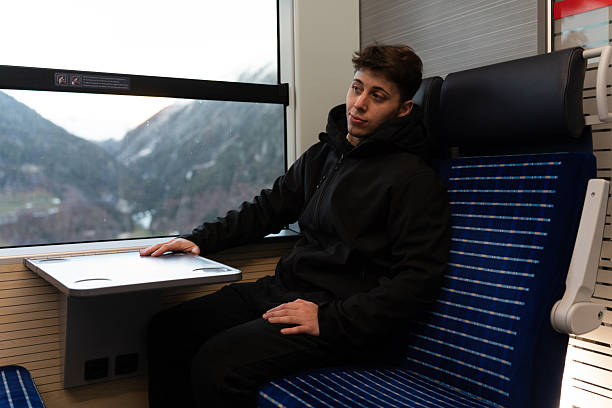

I’ll be honest, the first few times I traveled, my “planning” was basically booking a ticket and hoping Google Maps wouldn’t betray me. Spoiler: it did. More than once. Over time, after missed buses, overpriced taxis, and one very questionable hostel decision, I realized traveling isn’t just about packing a bag and going. There’s a bit more to it… but not in that boring, corporate checklist way.
The Idea in Your Head vs the Reality on the Road
Travel always looks better on Instagram. Clean beaches, empty streets, perfect coffee shots. What you don’t see is the sweating, the confusion, and the mild panic when your phone battery hits 5% in a foreign city. Planning helps close that gap between dream and reality.
Before any trip now, I spend time imagining real situations. Like, what if I land at 2 a.m.? Or what if everything is closed on Sunday? Small stuff, but it matters. A lot of people online joke about “rawdogging travel” with no plan, and yeah it sounds cool, but it’s also how you end up eating chips for dinner in a train station.
Money Stuff Nobody Talks About Properly
Let’s talk money, because this part hurts if you ignore it. Most travel blogs say “set a budget” like it’s easy. It’s not. Real expenses hide everywhere. ATM fees, foreign transaction charges, random city taxes hotels don’t mention clearly. I once paid more in fees than the actual cab ride. Still annoyed thinking about it.
A lesser-known thing I learned from Reddit threads is that some countries have wildly different weekend pricing. Trains, attractions, even food prices can jump without warning. People on Twitter complain about this all the time, especially in tourist-heavy places. So now I overestimate costs on purpose. If my trip feels like buying groceries while hungry, I know I didn’t plan money well.
Also, always have more than one payment option. Cards fail. Apps glitch. Cash disappears like magic. This isn’t paranoia, it’s experience talking.
Time Is a Currency Too, Not Just Cash
Here’s something I learned the hard way. Saving money by choosing the cheapest option sometimes costs you time, and time during travel is expensive in a different way. Spending six hours switching buses to save a few bucks sounds smart until you’re exhausted and cranky and hate the city for no reason.
I now plan days loosely, not packed, not empty. Just… flexible. Social media travel creators often talk about “slow travel” and at first I thought it was just a trend. But it’s real. You don’t need to see everything. You need to enjoy something.
And no, waking up at 5 a.m. every day on vacation doesn’t make you productive. It just makes you tired in a prettier location.
Where You Sleep Affects Everything
Accommodation planning is underrated. I used to think, it’s just a place to sleep, right? Wrong. A bad location can ruin your whole mood. If it’s too far, too loud, or sketchy at night, suddenly the trip feels stressful.
One thing I picked up from online travel forums is to read the negative reviews first. People complain honestly there. If five people say “walls are thin,” they’re probably paper thin. And if someone says “area feels unsafe after dark,” trust them. Your instincts plus other people’s bad experiences are a solid combo.
Your Body Is Not a Machine
This part doesn’t get enough attention. Health planning sounds boring until you need it. Jet lag is real, dehydration is sneaky, and walking 20k steps daily will destroy you if you’re not used to it. I learned this after limping through a museum pretending I was fine.
Simple stuff helps. Checking weather properly, not just averages. Packing basic meds. Knowing where pharmacies are. On travel TikTok, people joke about getting sick on day two of a trip. It’s funny because it’s painfully common.
Also, food. Your stomach may not agree with adventure as much as your brain does. I love street food, but I space it out now. Balance is key, even on vacation.
Documents, Rules, and Annoying Adult Things
Nobody enjoys this part, but ignoring it is worse. Visas, ID validity, local rules. Some countries are super strict, others confusingly relaxed. I once realized my passport was expiring sooner than expected, and that mini heart attack shaved years off my life.
Online sentiment lately shows more travelers getting caught by rule changes they didn’t check. Entry requirements shift fast. Planning here isn’t overthinking, it’s basic survival.
Your Mindset Is Also Part of the Plan
This might sound cheesy, but it’s true. If you expect perfection, you’ll be disappointed. Something will go wrong. Trains get delayed. Weather changes. Plans collapse. The difference between a bad trip and a good story is how you react.
I remind myself before every trip that inconvenience is part of the package. When you accept that, small problems feel less personal. And honestly, some of my favorite memories came from plans failing completely.
Final Thought That’s Not Really a Conclusion
Planning before traveling isn’t about controlling everything. It’s about reducing unnecessary stress so you can actually enjoy being somewhere new. Think of it like stretching before exercise. You don’t skip it if you’ve learned your lesson once.
You don’t need to plan perfectly. Just enough to not regret it later. Trust me on that one.