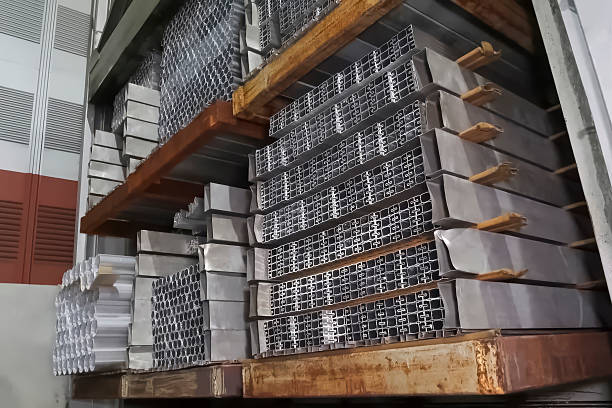

Custom conveyors work best when the frame matches the product, pace, and floor space instead of forcing operations around a standard layout. Good planning keeps belts aligned, supports drives properly, and leaves enough room for guards, sensors, and maintenance access. Using MiniTec Aluminum Framing gives designers a modular way to build around those details while keeping later changes manageable.
Start With the Product Before Drawing the Frame
Product size, weight, shape, and surface condition should guide the conveyor layout from the beginning. Boxes, loose parts, delicate assemblies, and irregular components all move differently, so the frame must support the right belt width, roller spacing, and side guides. Clear product data also helps prevent oversized rails and unnecessary material. Early measurements can reveal tight transfers or clearance issues before parts are ordered.
Speed matters just as much as weight. Faster movement creates more vibration and places greater demands on supports, joints, and drive alignment. Designers using MiniTec extruded aluminum framing can select profile sizes around the actual load instead of building every section with the same heavy rail.
How Much Support Does the Conveyor Really Need?
Span length determines how far a rail can run before it needs another leg or cross member. Longer unsupported sections can flex under motors, products, or belt tension, which may affect tracking and transfer points. Published profile data should guide the choice of aluminum framing material rather than appearance alone.
Cross bracing can improve stiffness without making the entire conveyor bulky. Strategic supports under drive units, accumulation zones, or loaded transfer areas handle concentrated forces where they occur. An extruded aluminum T slot frame also makes those reinforcements easier to position during final setup.
Leave Room for Belts, Rollers, and Drive Components
Mechanical parts need space to move, adjust, and come apart for service. Shafts, bearings, tensioners, pulleys, and motors should remain accessible without removing half the conveyor frame. Smart spacing around these parts can save hours during belt replacement or bearing maintenance.
Mounting plates deserve the same attention. Accurate holes and stiff attachment points help keep motor shafts and rollers aligned, while adjustable brackets make small corrections easier. A T slot extrusion system gives builders multiple fastening positions without drilling a new hole each time equipment shifts.
Build Adjustment Into Guides and Sensor Mounts
Guides should match the product closely enough to control movement without creating drag. Adjustable brackets let operators change guide width for new packages, parts, or container sizes. Flexible mounting also helps correct small tracking problems that only appear once the conveyor begins running.
Sensors often need even finer positioning. Photoeyes, counters, barcode readers, and limit switches may move only a few millimeters before performance improves. T slot aluminum extrusion gives technicians a simple way to slide mounts, test placement, and tighten hardware once the signal is reliable.
Plan the Legs Around the Factory Floor
Support legs should avoid drains, floor joints, machine bases, walkways, and other obstacles that can complicate installation. Uneven concrete may also require adjustable feet so the conveyor stays level from one end to the other. Careful leg spacing keeps the structure stable without crowding the aisle below it. Wider bases may help on taller conveyors where the center of gravity sits higher.
Floor anchors may be needed where vibration, impact, or tall supports could move the conveyor. Mobile sections require a different approach, with properly rated casters and locking points instead of fixed bases. Complete aluminum framing kit packages can easily include the feet, plates, braces, and hardware needed for either setup. Anchor locations should also leave enough concrete around each fastener for a strong, reliable hold.
Make Maintenance Access Part of the Design
Technicians need room to reach wear parts without crawling through the frame or removing unrelated components. Belt tensioners, bearings, motors, sensors, and electrical boxes should sit where tools can reach them. Removable guards and panels also shorten routine service without weakening normal protection. Hinged access points can make frequent inspections quicker while keeping moving areas covered during operation.
Cable routing deserves its own path. Clips, trays, and slot covers keep wiring away from moving belts, sharp edges, and cleaning areas. Organized utilities make MiniTec Aluminum Framing easier to service because technicians can trace cables without sorting through loose bundles. Separate routes for power and signal wiring can also reduce clutter around controls.
Design Today’s Conveyor for Tomorrow’s Changes
Production lines often gain another workstation, inspection step, diverter, or transfer section after the original conveyor is installed. Modular construction makes those additions less disruptive because rails, brackets, and accessories can be moved or reused. Spare mounting space can also prevent future controls from being squeezed into awkward positions. Reserved frame sections give later equipment a clean place to attach without crowding current components.
Future planning does not mean making the frame oversized. Instead, designers can leave practical connection points and choose profiles that support likely extensions without wasting material. MiniTec Solutions provides dependable MiniTec Aluminum Framing and modular components for custom conveyor systems built around specific production layouts, loads, and future expansion needs.